Krakow Was Just Named Europe’s Best Leisure Destination — Here’s What to See
Krakow has just been named Europe’s best leisure destination for 2026 — voted for by travelers themselves, ahead of Seville, Porto, Istanbul and Lisbon. If you’re wondering what all the fuss is about, or you’ve just booked a flight and want to know how to spend your days, here’s an honest local guide to what makes Krakow worth the trip and what to see while you’re here.
Why Krakow, and why now?
Three things are driving the surge in interest.
First, value. Poland remains noticeably more affordable than Western Europe — meals, accommodation, and attractions all cost less than their equivalents in Paris, Rome, or Amsterdam, without feeling like a compromise.
Second, accessibility. Krakow’s airport connects to most major European cities, and low-cost carriers keep fares reasonable. Getting here is easy.
Third — and this is the part visitors often don’t expect — the concentration of world-class sights within an hour or two of the city. Few destinations put a medieval old town, a UNESCO salt mine, one of history’s most significant memorials, and a mountain range within such easy reach of one another.
What to see in the city itself
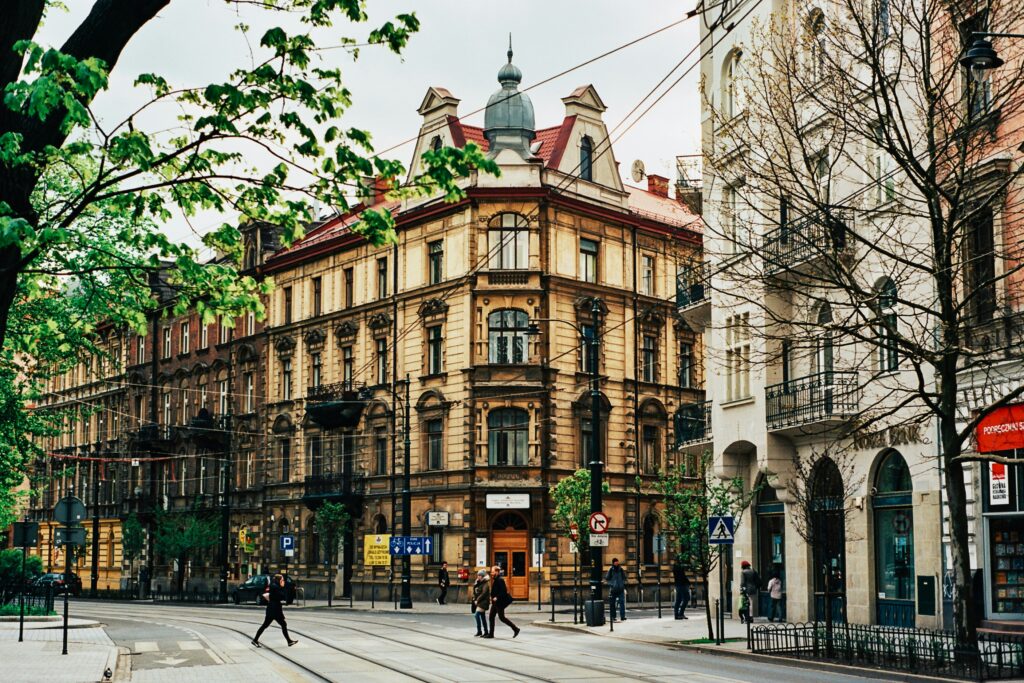
The Old Town and Main Market Square, Europe’s largest medieval square, is ringed by cafés and dominated by St Mary’s Basilica, where a trumpeter still plays the hourly bugle call from the tower. The whole Old Town is UNESCO-listed and endlessly walkable.
Wawel Castle, the former seat of Polish kings, sits above the Vistula. Worth visiting for the architecture alone, and the views along the river are the best in the city.
Kazimierz: The historic Jewish quarter — atmospheric, slightly bohemian, packed with good food and some of the best bars in Poland. It has a completely different feel from the Old Town, and most visitors end up preferring it.
The day trips that make Krakow special
Here’s what genuinely separates Krakow from other European city breaks: you can be standing in a cathedral carved from salt, or at the foot of the Tatra Mountains, within an hour or two of your hotel.
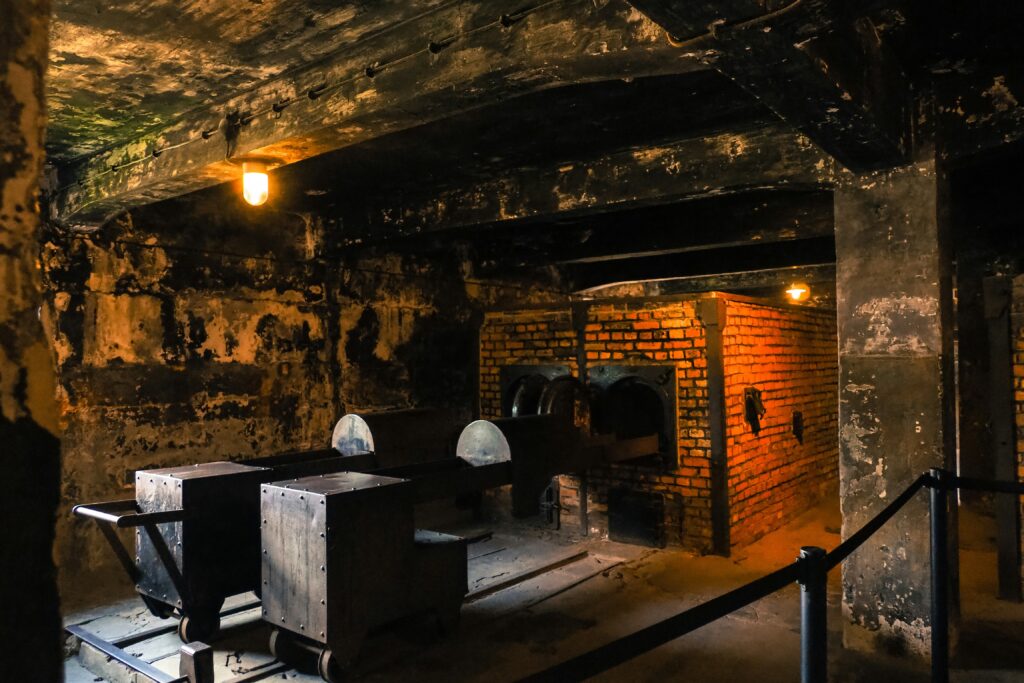
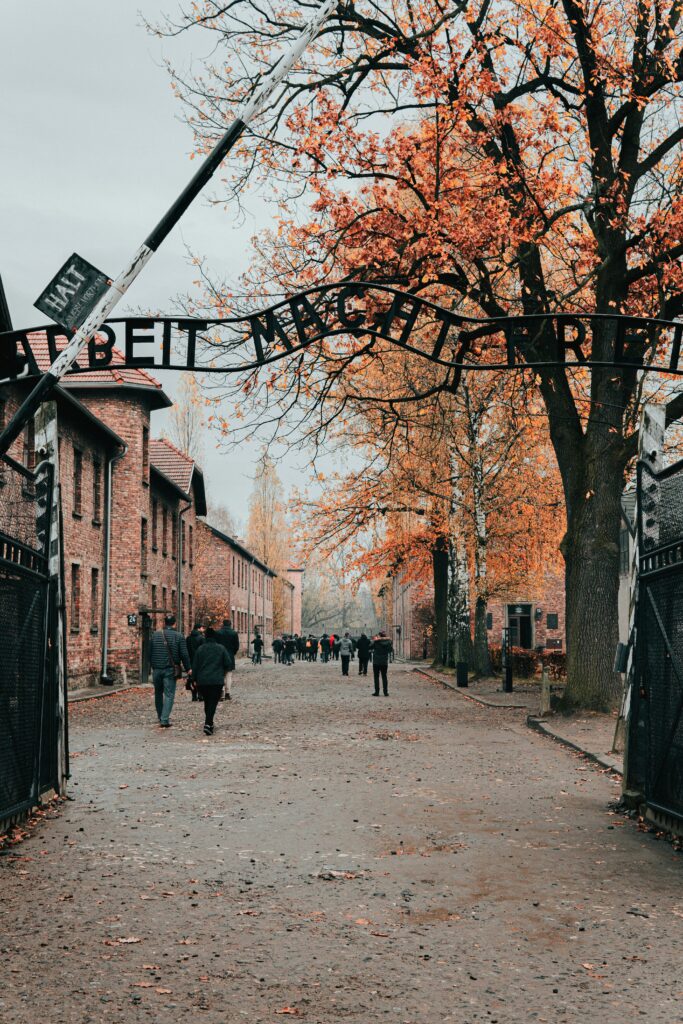
Auschwitz-Birkenau Memorial: About 70 km west. Not a sightseeing trip but an act of remembrance, and for many visitors, the most significant experience of their time in Poland. A guided visit is essential — without context, much of the site’s meaning is lost. Allow a full day.
Wieliczka Salt Mine is fifteen kilometers away and utterly unlike anything else. An underground world of chambers, lakes and salt sculptures, culminating in St Kinga’s Chapel — a cathedral carved entirely from salt, over 100 meters below ground. UNESCO-listed, family-friendly, and a comfortable 14–16°C, whatever the weather above.
Zakopane and the Tatra Mountains: Two hours south, and a completely different country in feel. Highlander culture, wooden architecture, mountain panoramas by cable car, and thermal pools to finish the day. If you want to see Poland beyond its cities, this is the trip.
Krakow in summer: the “coolcation” advantage
One trend shaping travel in 2026 is the move towards cooler destinations during the hottest months — travelers heading north or to higher altitudes rather than roasting on a Mediterranean beach.
Krakow suits this well. Summer here is warm rather than punishing, and two of its best excursions are natural escapes from the heat: the salt mine stays at a constant 14–16°C underground, and the Tatra foothills are consistently cooler than the plains. If you’re traveling in July or August and want to avoid the worst of the heat, both are worth building into your plan.
How many days do you need?
Two days cover the city itself. Three lets you add one major day trip. Four is the sweet spot — city plus both Auschwitz and Wieliczka. Five, and you can add the mountains too.
If you’re short on time, some visitors combine Auschwitz and Wieliczka into a single day. It makes for a long day, but it means you don’t have to choose between them.
Practical tips from a local team
Book day trips ahead in summer. Krakow’s visitor numbers keep climbing, and the popular trips sell out — especially between May and September. Booking a few days ahead saves disappointment.
The city center is walkable — the day trips aren’t. You’ll barely need transport within Krakow. But Auschwitz, Wieliczka, and Zakopane all require planning. Door-to-door pickup removes most of the hassle.
Check what’s actually included. Headline prices often exclude entry tickets. Always check whether tickets, transport, and a guide are covered before comparing options.
Give Auschwitz its own day if you can. It’s emotionally demanding, and most visitors want quiet time afterward rather than another attraction.
Planning your trip
Krakow’s new title as Europe’s best leisure destination isn’t really a surprise to anyone who lives here. It’s a city that rewards slow wandering, and one where the surrounding region is every bit as remarkable as the center.
If you’d rather not spend your holiday coordinating transport and entry tickets, we handle the logistics: door-to-door pickup, licensed guides, all tickets arranged in advance, and a real person on WhatsApp before, during, and after your trip.
See our day trips from Krakow — Auschwitz, Wieliczka, Zakopane, and private airport transfers.